

You've done everything right. You checked the weather. You planned an outfit that you thought would help you manage in the heat. You got dressed. You even looked polished and professional in the mirror at 7:45 am.
And then you walked outside.
By the time you hit the subway platform, the parking garage, or the two-block stretch between your car and the office door, something has already gone wrong. A wrinkle you didn't earn. Fabric clinging somewhere it shouldn't. That particular kind of warmth that tells you today is going to be a long day.
This is not a you problem, though.
This is what happens when women's work clothes are designed for the idea of a workday rather than the reality of one—the commute, the back-to-back hours, the arctic office and the 90-degree sidewalk—often all in the same afternoon. Business casual outfits for women are supposed to work for all of it. Most of them don't. The reason isn't the cut or the color. It's the fabric.
What "Regular" Workwear Is Made Of
Most professional wardrobes are centered around a handful of conventional fabrics that haven't really changed in decades.
Cotton breathes, which is a point in its favor—until it absorbs moisture. Then, it holds on to it, wrinkles against the side of your bag, and loses its shape somewhere around 11am. Linen has a beautiful moment, usually early in the morning and briefly again after you've steamed it, before it crumples into something that looks like you've been traveling for eight to ten hours. Wool is not worth discussing until October, or maybe even November if we’re being honest. And standard polyester—the workhorse of budget workwear and athleisure blends—traps heat, shows everything, and has no meaningful stretch recovery.
These fabrics weren't designed for modern life. They were designed for a version of work that looked different: shorter commutes, fewer transitions, less time in motion. The woman moving through a full day in 2026 has different demands. Her clothes need to catch up.
What Performance Fabrics Are Actually Doing

Performance fabrics were originally developed for athletic use, and the technology behind them is genuinely different from conventional textiles.
The best fabric for hot weather isn't just lightweight. It's engineered to pull moisture away from the skin and release it, rather than absorbing and holding it the way cotton does. That's called moisture-wicking, and it's the difference between a fabric that keeps you dry and one that keeps you damp…and mildly uncomfortable all day long.
The best material for hot weather also needs stretch recovery. It needs the ability to return to its original shape after movement rather than bagging, pulling, or deforming throughout the day. This is what makes a performance fabric trouser hold its line at 4 pm, even when the day started at 6 am. It's also why the best fabric to wear in hot weather for work isn't necessarily the loosest or the shearest—it's the one engineered to maintain structure while it breathes.
The distinguishing quality of a breathable fabric for hot weather in a professional context is that it does both at once: it keeps you comfortable without sacrificing the polished appearance that conventional summer fabrics abandon by midday. That's the gap. Most workwear fabrics give you one or the other. Performance fabrics are built to give you both.
How Cotidié's Fabrics Are Built Differently

Cotidié founder Kristina Haag built this brand in Houston, not as a fashion experiment, but as a solution to a problem she couldn't shop her way out of. She needed professional clothes that held up in heat and humidity through a full, real workday. She couldn't find them, so she built them.
Every Cotidié fabric is engineered for performance: moisture-wicking to keep you comfortable, stretch recovery to keep you looking polished, and construction that holds up to machine washing without losing its shape.
That last part matters more than it sounds. It means these pieces last longer, require less replacement, and sidestep the dry cleaner entirely. That's sustainability built into the fabric itself.
The collection works across three fabric personalities, each with a different character suited to different pieces and different days:
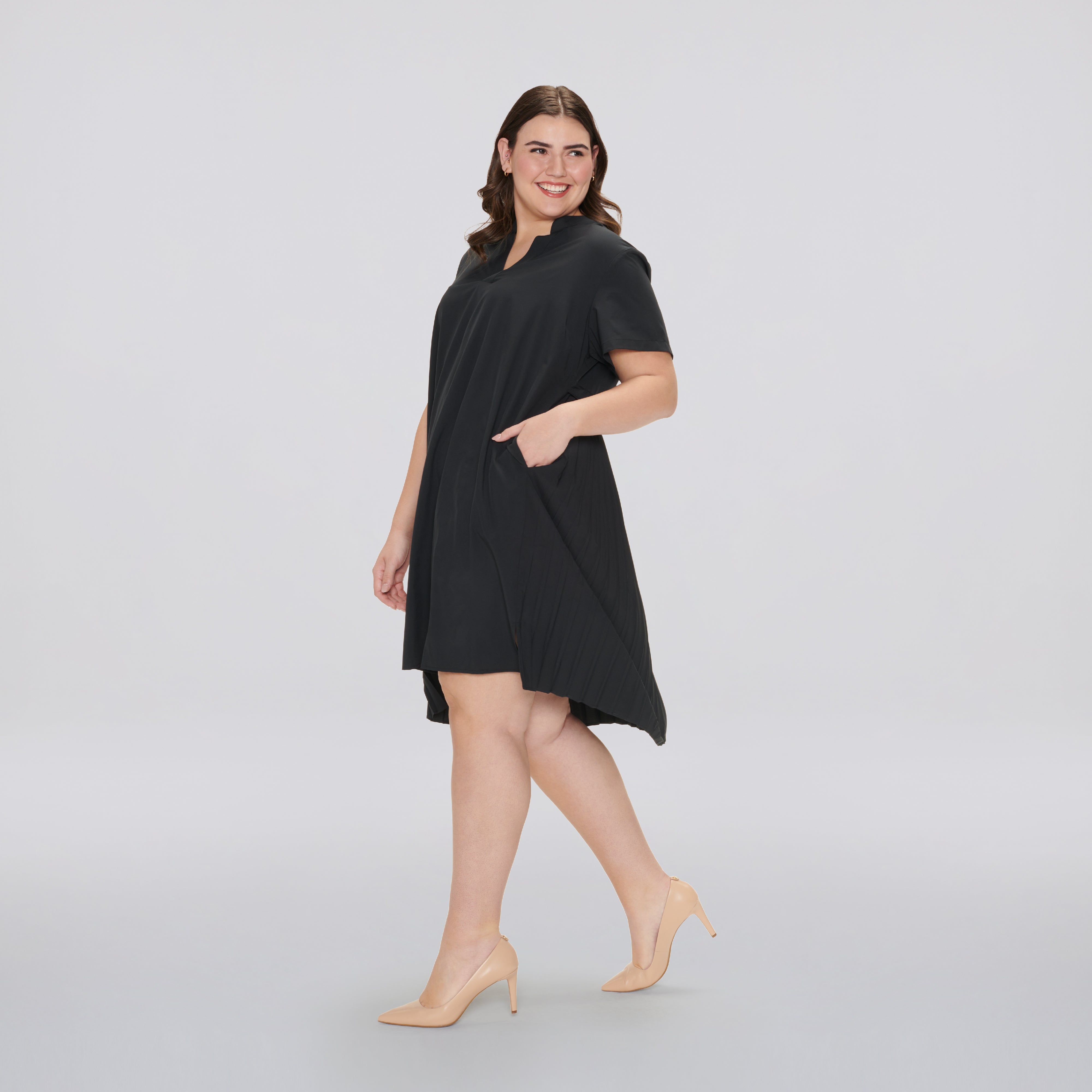
The lightest and floatiest—best suited for dresses and flowing silhouettes—is the one you reach for on the days when you need to feel like you're barely wearing anything while still looking like you put effort into your look. The Gabrielle Pleated Back Dress with Pockets is one of our favorite ways to express this: breezy, belted if you want it, and professional enough for client-facing days.
The barely-there, ultra-layerable option is the one built for pieces that need to feel effortless—like the Samantha Wrap Dress—which moves from meeting to dinner or cocktail hour without a single complaint, or the Amelia Trousers, a wide-leg pull-on with front pockets and pleats that reads as intentional rather than casual.
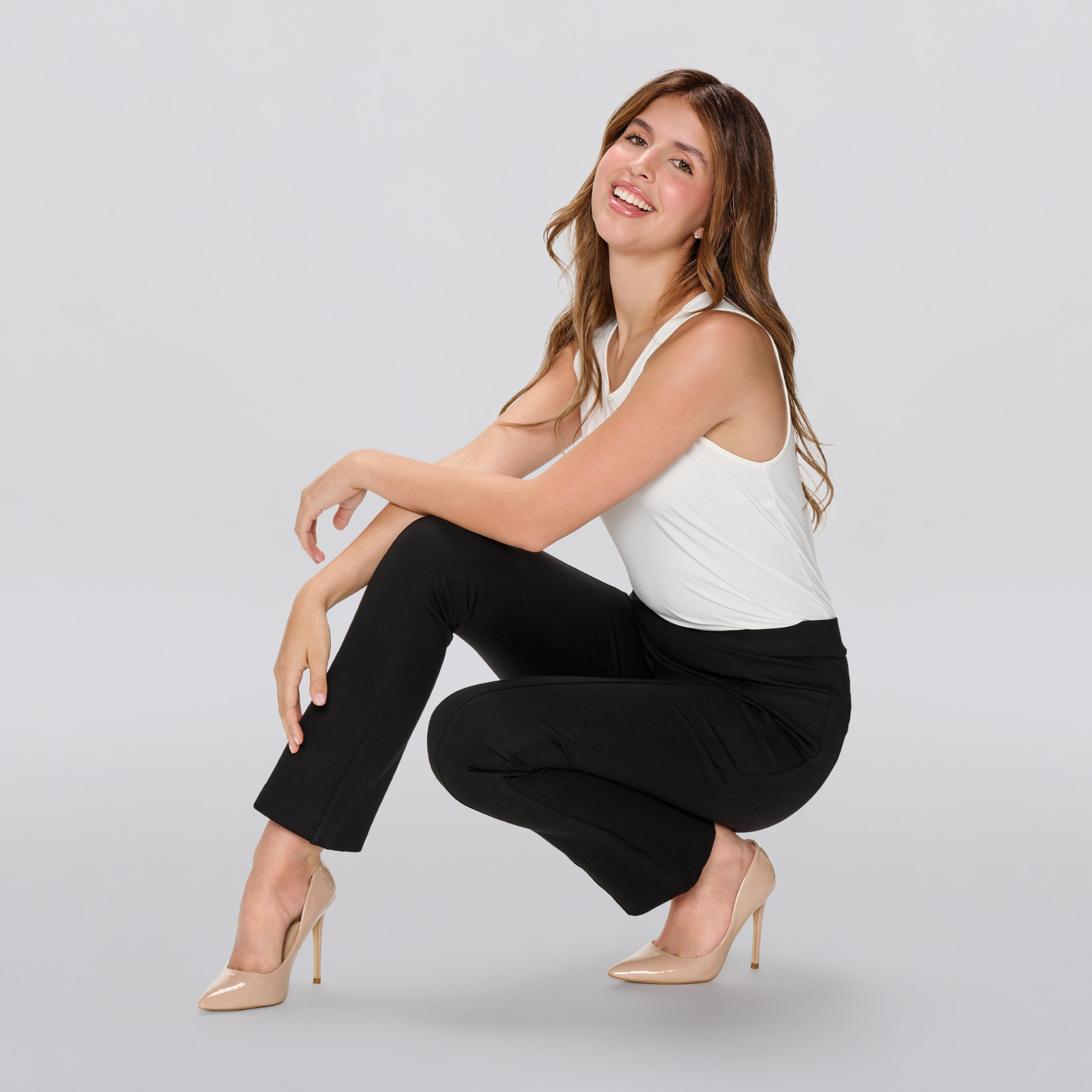
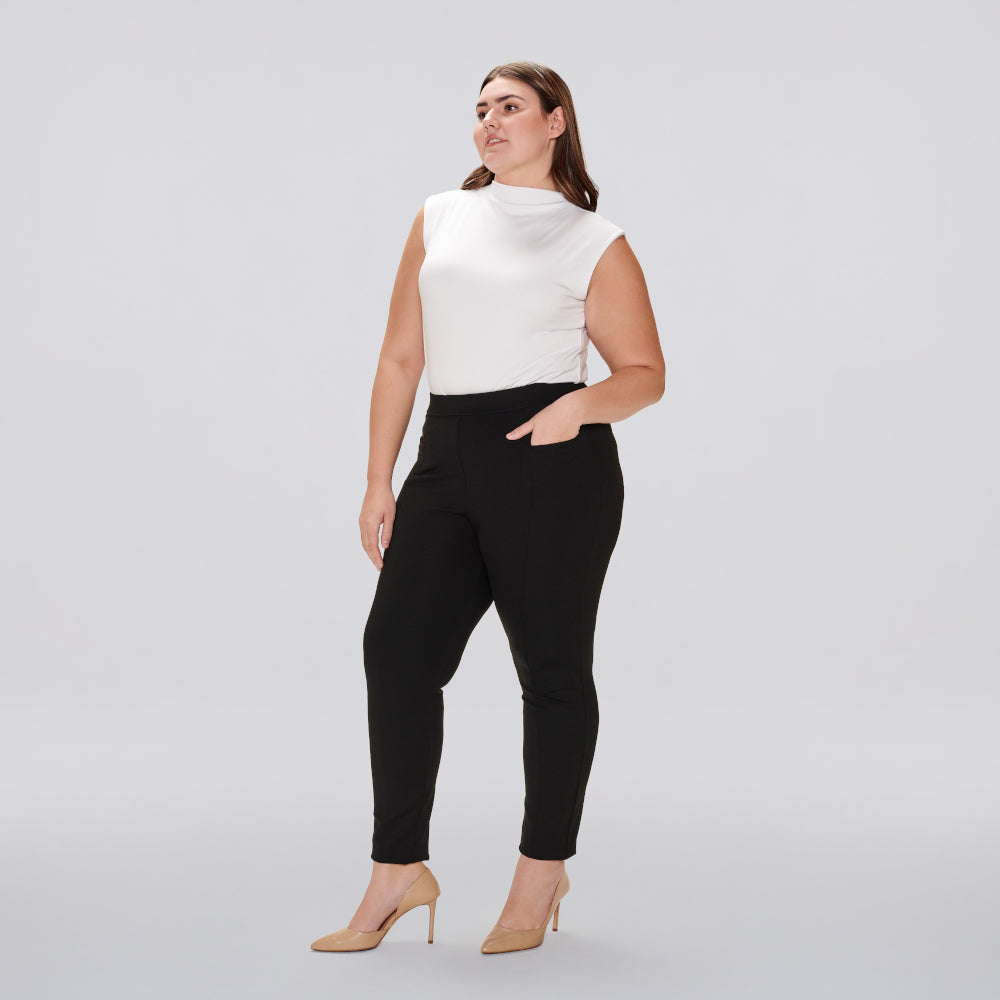
The most structured of the three, the one that hugs without restricting and holds a tailored line through long days, powers pieces like the Harriet Trousers, a slim-fit pull-on that stays exactly where you put it.
What This Looks Like When You Actually Get Dressed
The best work clothes for women aren't the ones that photograph well. They're the ones that still look right at 6 pm after a day that started at 7:30.
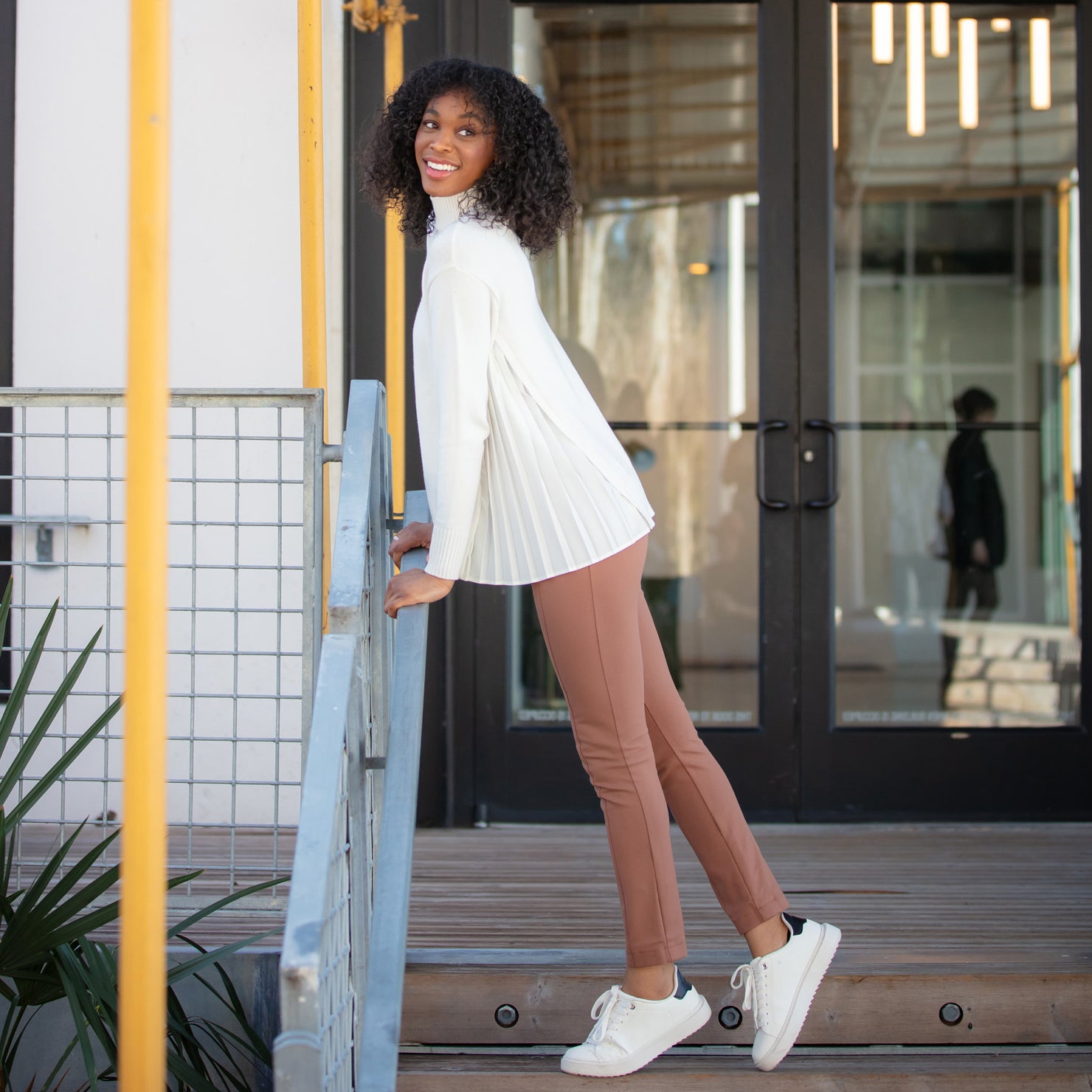
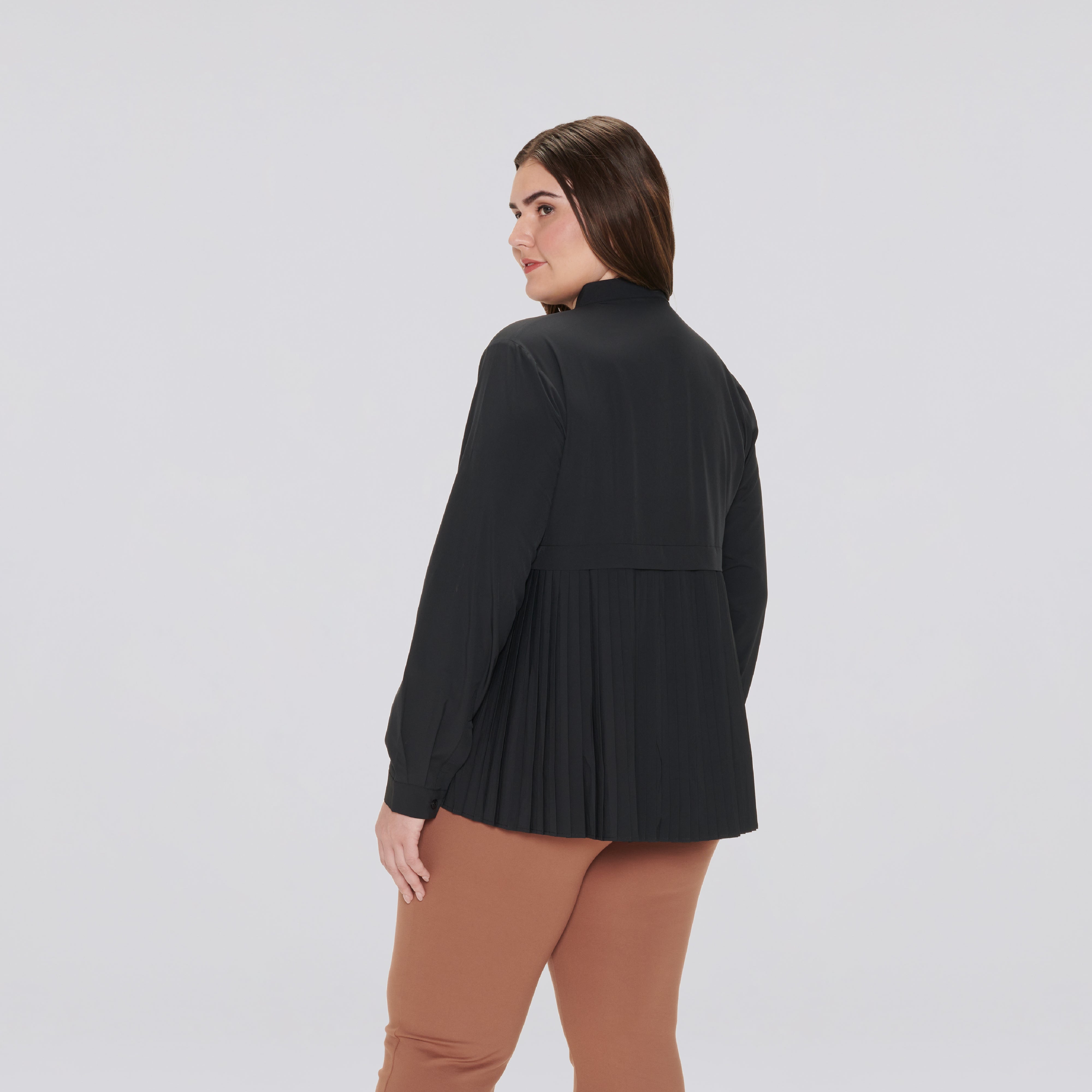
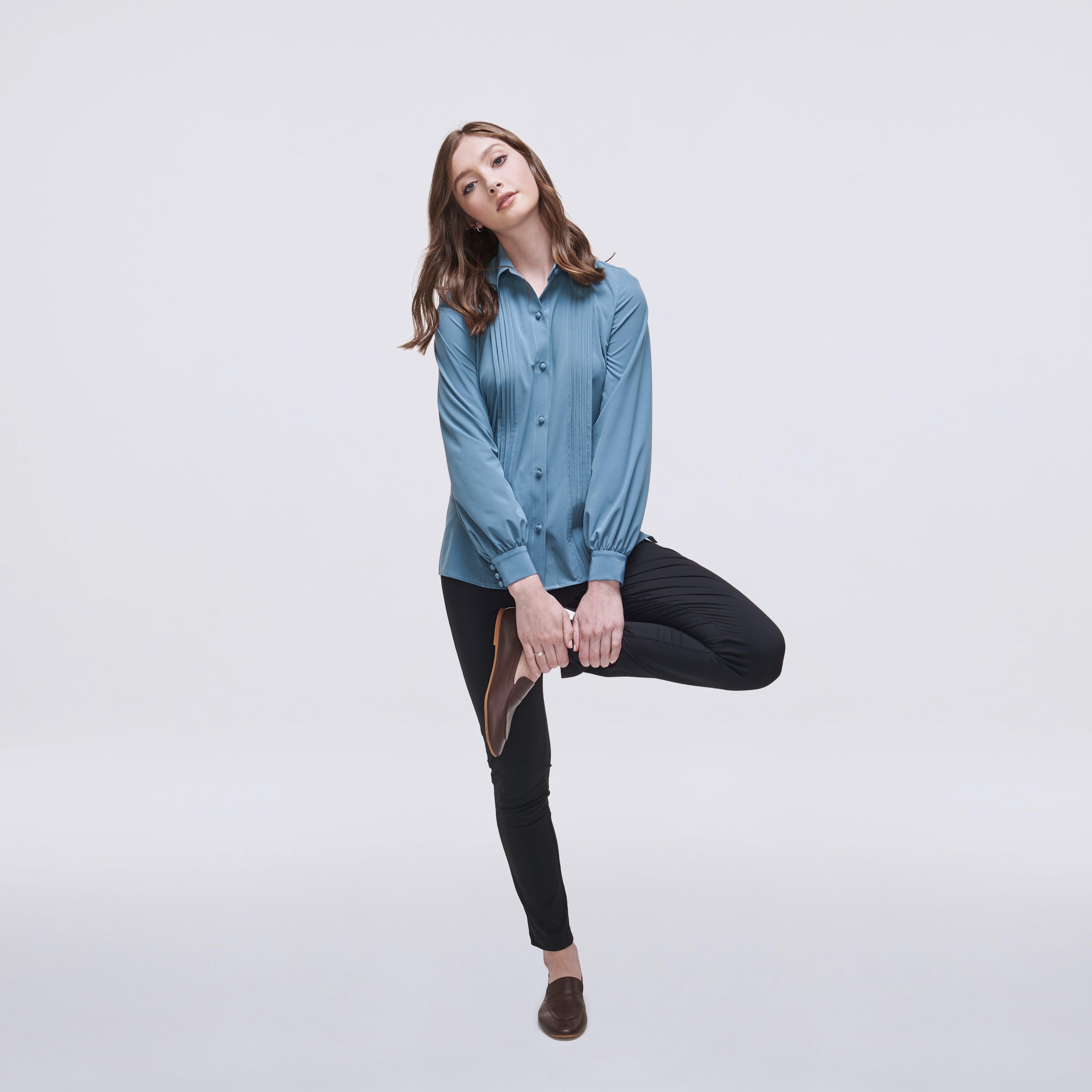
A Gabrielle dress with a belt for the days you want one and without for the days you don't. Harriet trousers in olive or navy with a tucked-in top that you never have to think about again once it's on. The Samantha in Dusty Lilac for the days that end somewhere other than home. Mix in the Marie Blazer for the office AC problem—it's not a warmth layer, it's a polish layer—and you have a capsule wardrobe that covers the full range of a working week without asking you to think too hard about it.
Business casual outfits for women don't have to be a compromise between looking professional and feeling human. Performance fabrics are the solution.
Feel the Difference
Shop the full collection at cotidie.com, and follow @cotidieclothing on Instagram for styling ideas built around clothes that actually work as hard as you do.