

For a long time, “professional” had a look: polished, pressed, and a little too stiff. The kind of outfit that showed you meant business partly because it was uncomfortable to wear. The blazer that pulled at your shoulders or made them too pointy. The trousers that needed dry cleaning after one day at a desk. The shoes you carried in a bag to swap in the lobby.
You wore it anyway because that’s what professional looked like, and looking the part mattered, but at the end of the day you couldn’t wait to get home and change into something more comfortable.
Then everything changed, and it wasn’t just where or how we worked. Women who spent two years working from home in clothes that felt good figured out something that the fashion industry had been slow to realize: you don’t have to choose. Comfort and professionalism aren’t opposites. You can look polished and put together and still feel like yourself. You can walk into a room with confidence and actually be comfortable in what you’re wearing. Presence doesn’t require discomfort.
The most effective work clothes aren’t the ones that look the most serious on a hanger. They’re the ones that still look that way at 5pm, after the commute, the back-to-back meetings, the lunch you ate at your desk. The ones that keep up with the day instead of fighting it. That’s standard is more achievable than most workwear would have you believe.
What This New Dress Code Looks Like

Business casual is still the dominant frame, but it’s softer now, and more honest. The old definition (“no jeans, no sneakers, always a blazer”) has given way to something closer to: “looks like she thought about it.”
The rules may have relaxed, but the expectations didn’t disappear. Looking put-together still matters in how you’re perceived and in how you feel walking into a room, but the difference is that you no longer have to earn looking ‘professional’ by being uncomfortable.
And to the question: can jeans be business casual? That genuinely depends on the cut, the fabric, and what you pair them with. Trouser-style denim with a structured layer is doing something very different than your Saturday pair.
Structure vs. Stiffness
These are not the same thing, and we think it’s important to call that out.
Structure is silhouette: a defined shoulder, a clean hem, a trouser that holds its line through a full day of meetings. Stiffness is what happens when a fabric doesn’t (or can’t) move with you. It’s the restriction and pulling. Stiffness is the outfit you’re chronically aware of all day long because it’s been working against you instead of for you since you put it on.
The right work clothes give you both the visual cues of polish without the physical cost. Performance fabrics built for professional life—with stretch recovery, breathability, and shape retention—do something that wool and cotton blends simply can’t. With performance fabrics, you keep the structure and lose the stiffness.
What you wear affects how you feel, and how you feel affects how you perform. Discomfort is a distractor. When you’re adjusting your collar at 2pm, you’re not focused on the meeting. Dressing well for work removes one more obstacle between you and your best work.
What “Professional” Looks Like When It’s Working For You

A few outfit frameworks worth keeping in your back pocket. Not rules — just reliable starting points.
The Dress That Handles Everything
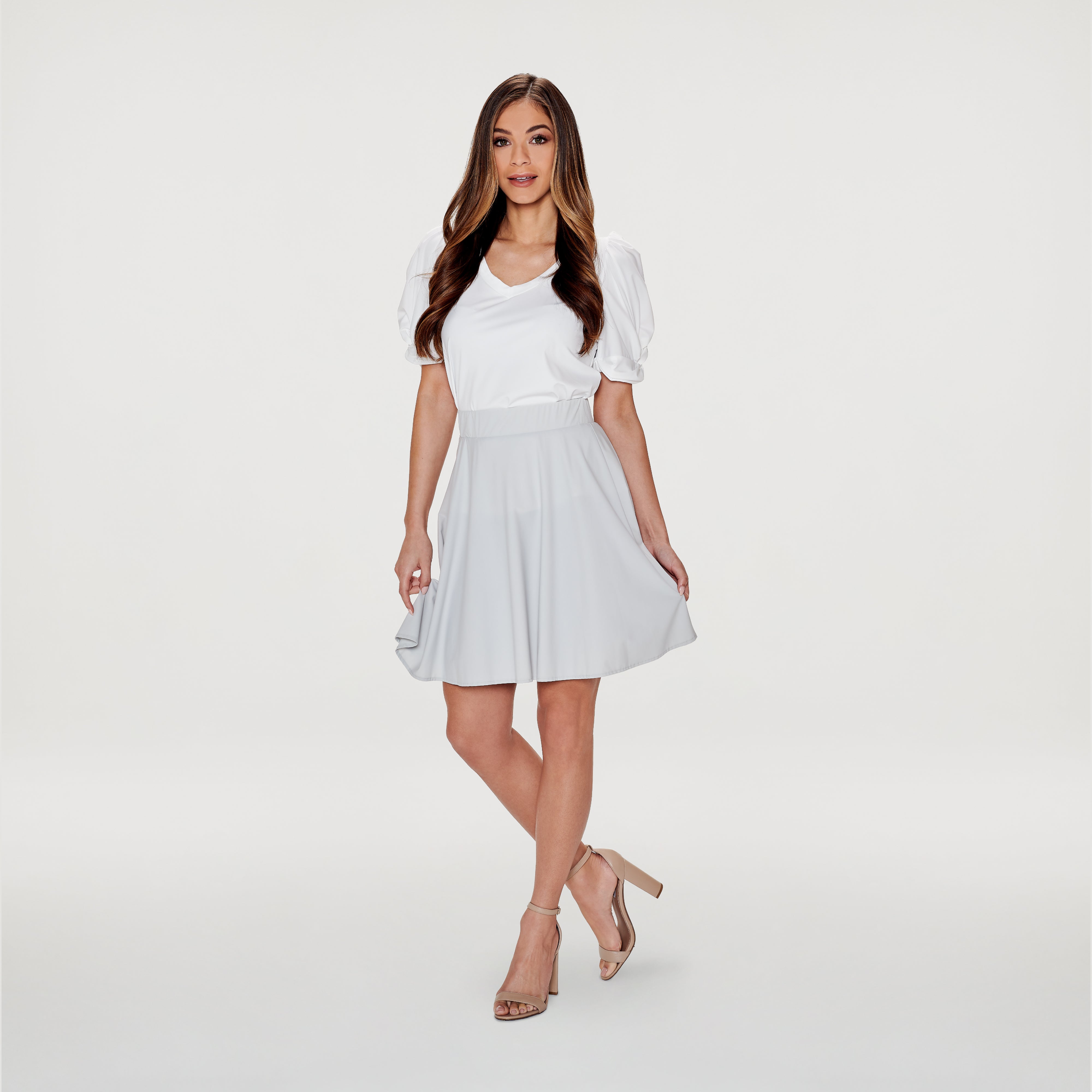
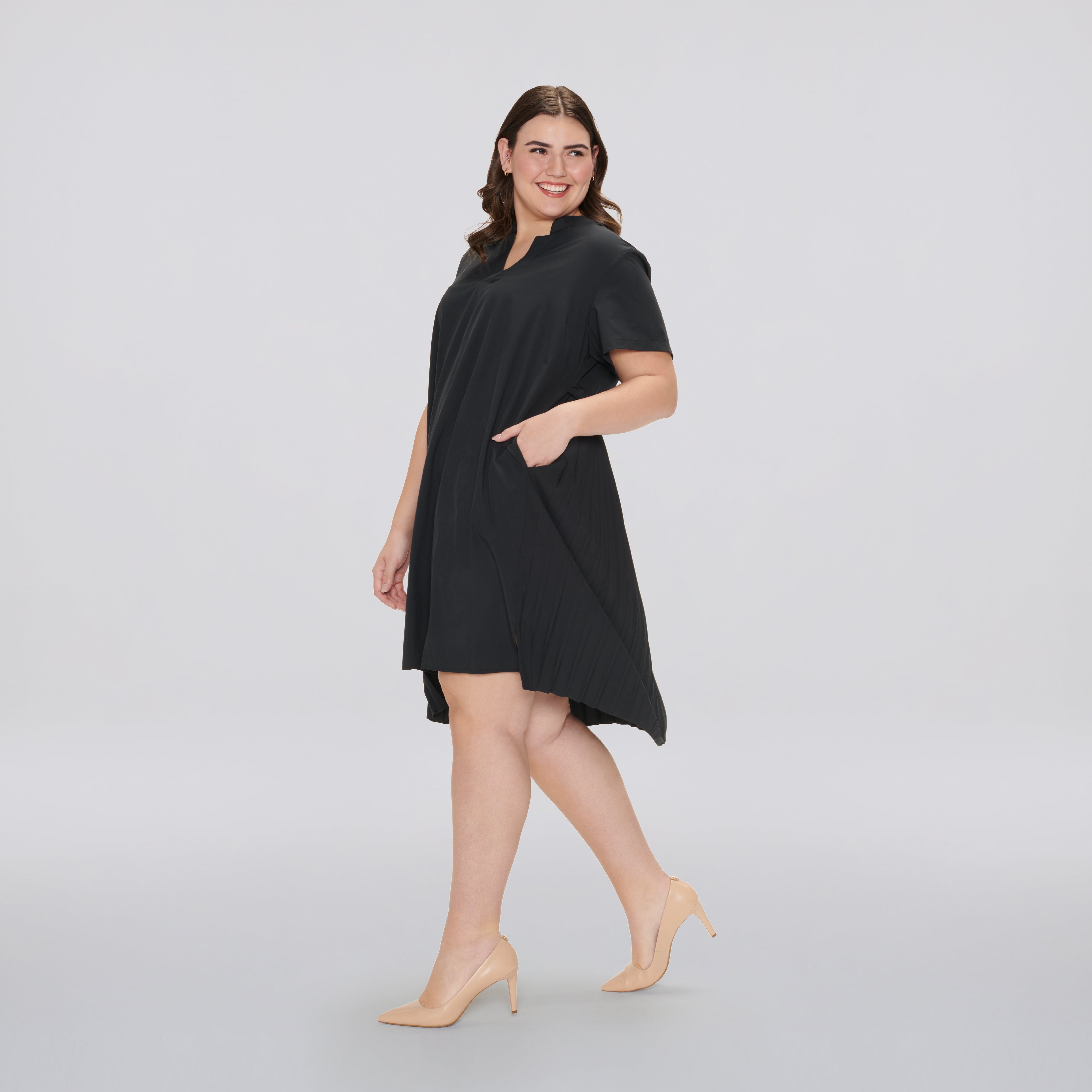
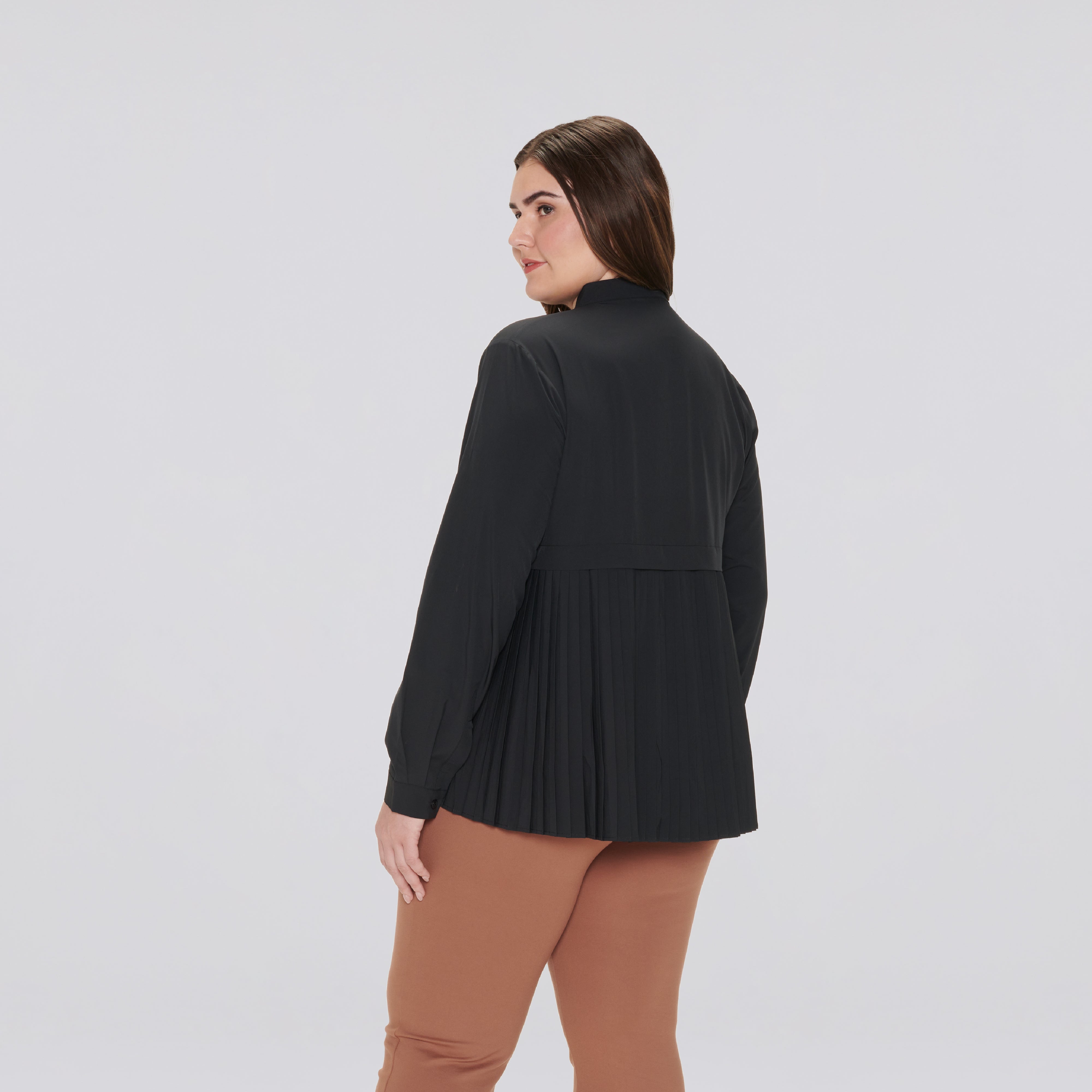
A well-made work dress is the simplest version of a polished outfit: one decision, no coordination required. The Gabrielle Pleated Back Dress or Harper Shirtdress moves from a morning meeting to a dinner reservation without asking you to change or even think about it.
The Iconic Trouser + Top Duo
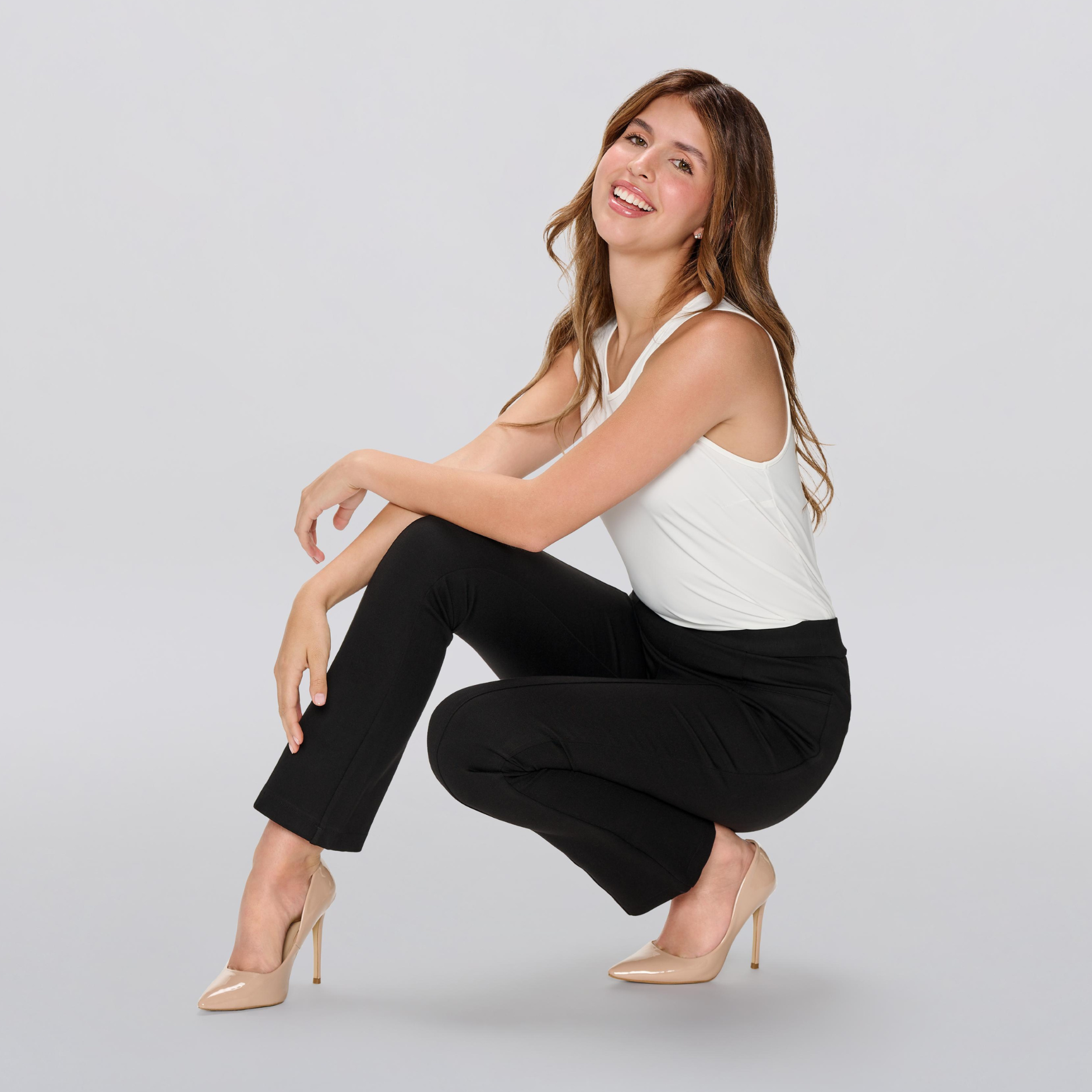
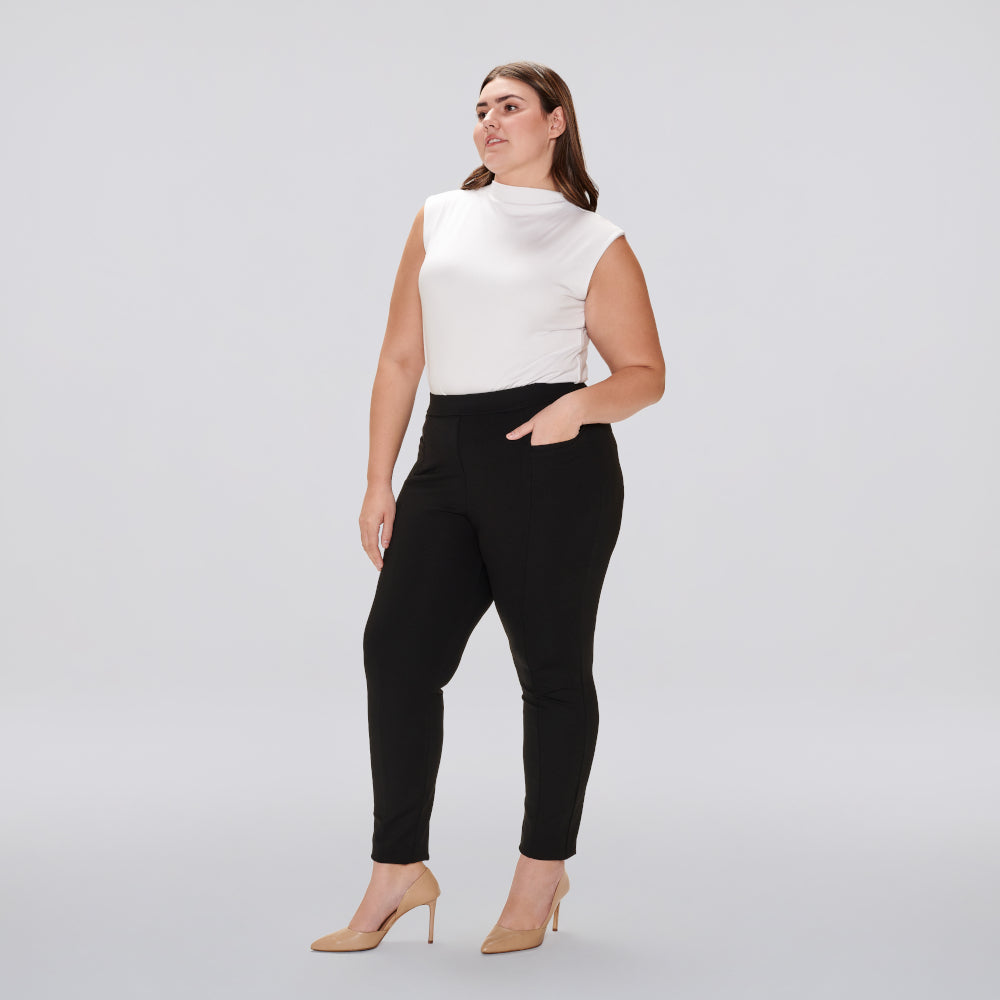
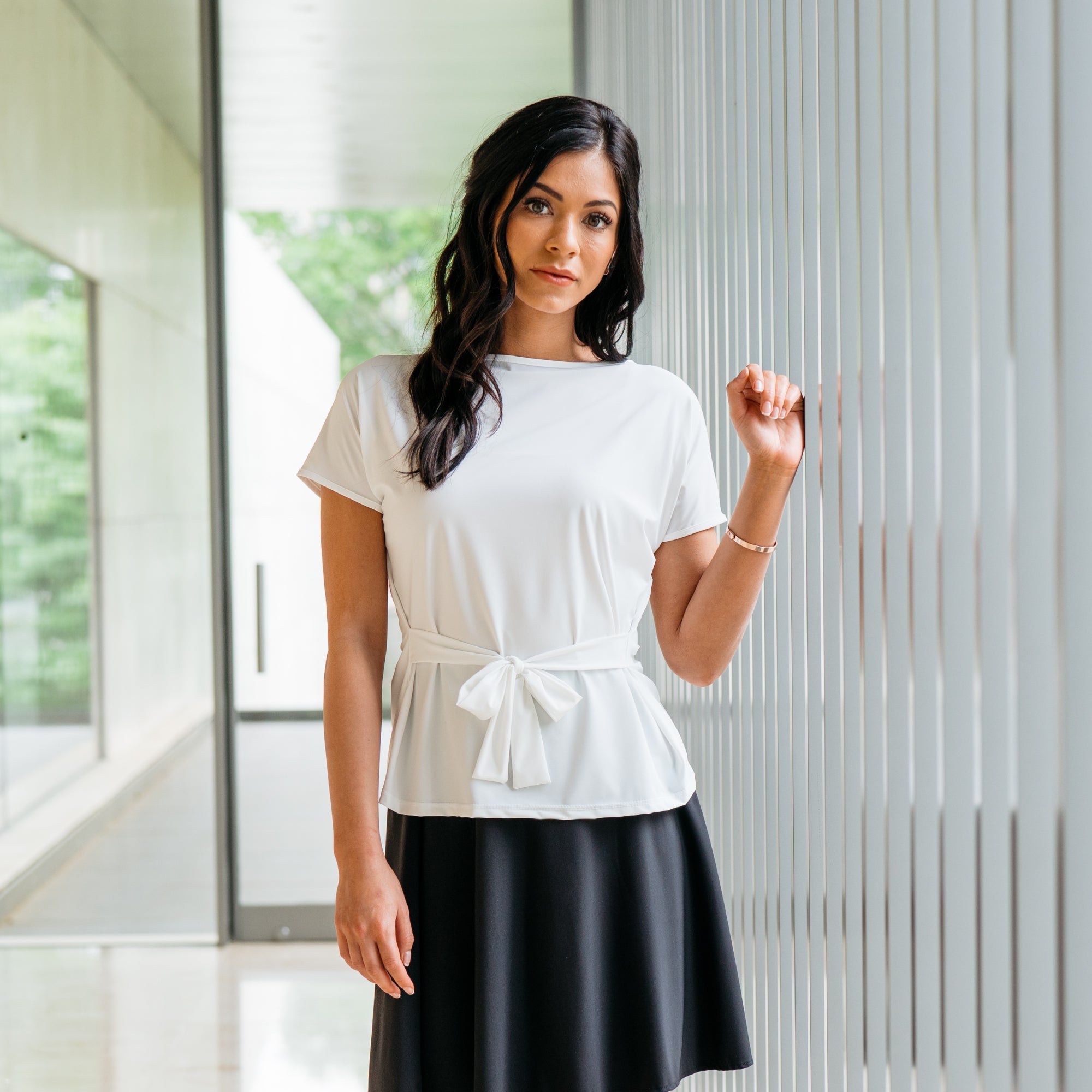
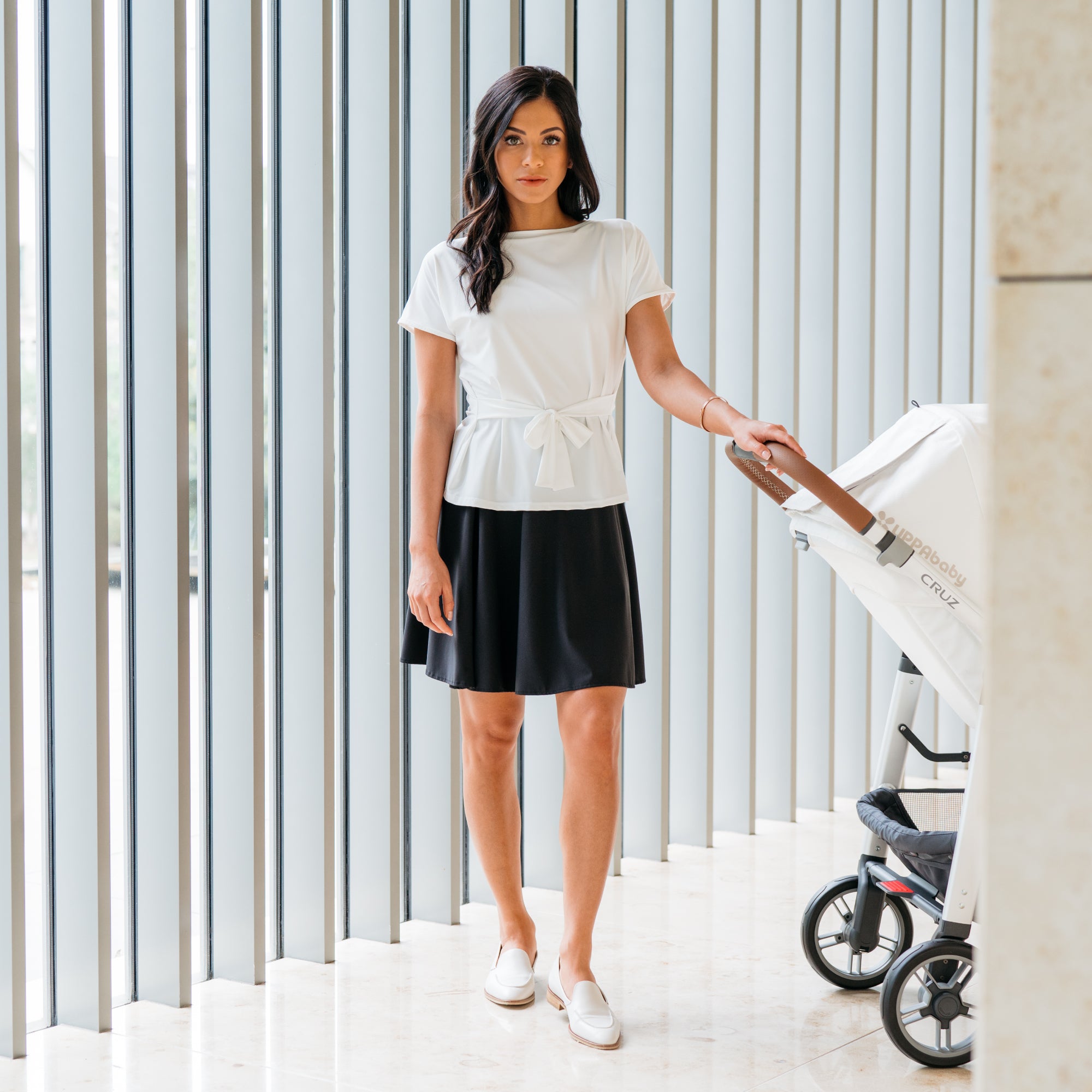
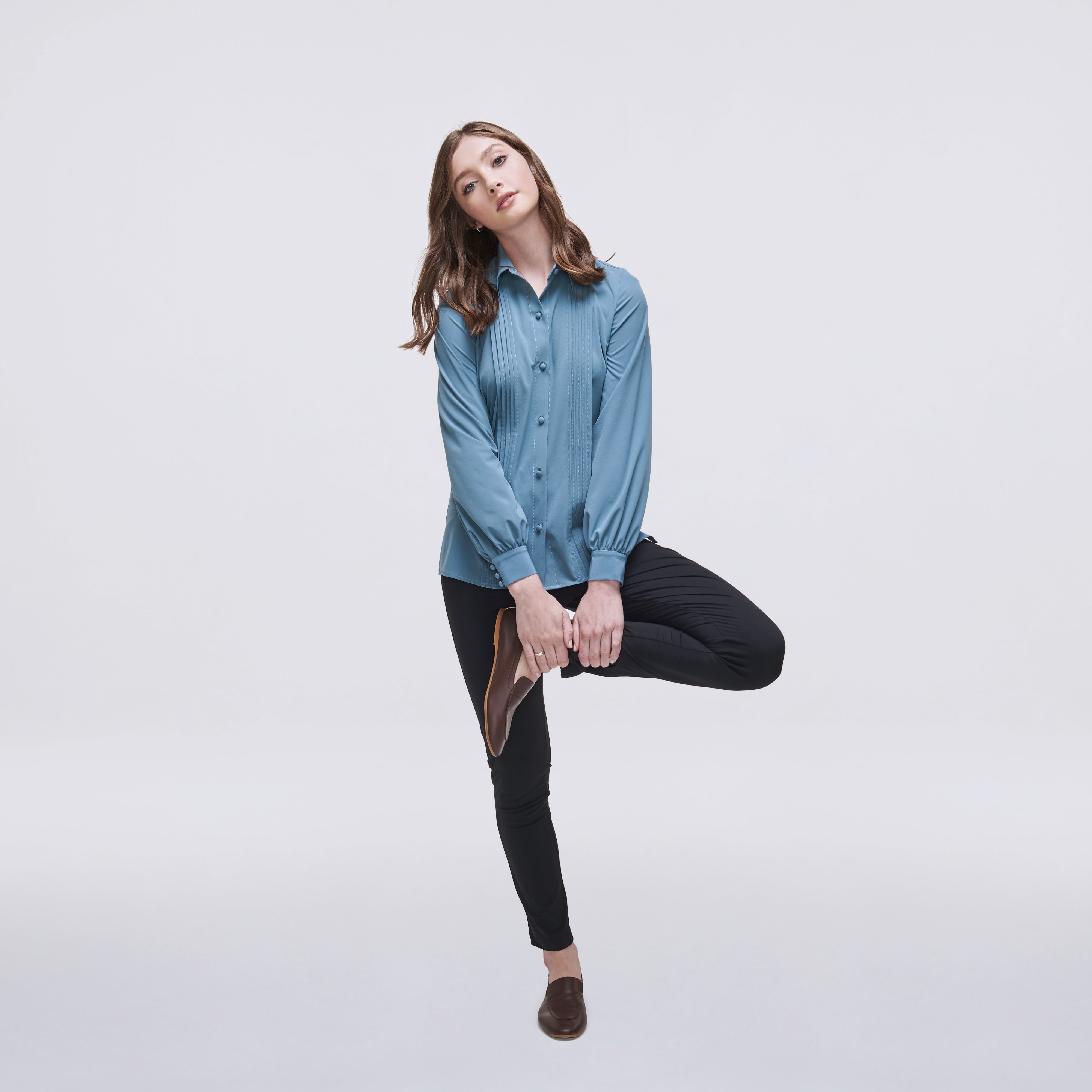
A structured trouser that holds its shape through a full day, paired with a top that tucks, untucks, or layers depending on what the afternoon calls for. The Harriet Trousers or Lari Cropped Flare Trousers with the Ada Top or Alice Pleat Front Button Up is how a wardrobe starts to feel like a system.
The Blazer That Earns its Place in the Closet
It’s not for warmth; it’s for polish, but that doesn’t mean it has to be stiff and uncomfortable. The layer that makes everything underneath it look intentional. The Charlotte Traditional Blazer or Blythe Belted Blazer is the piece that pulls the whole outfit together without adding bulk or weight.
The Dress-It-Down Option
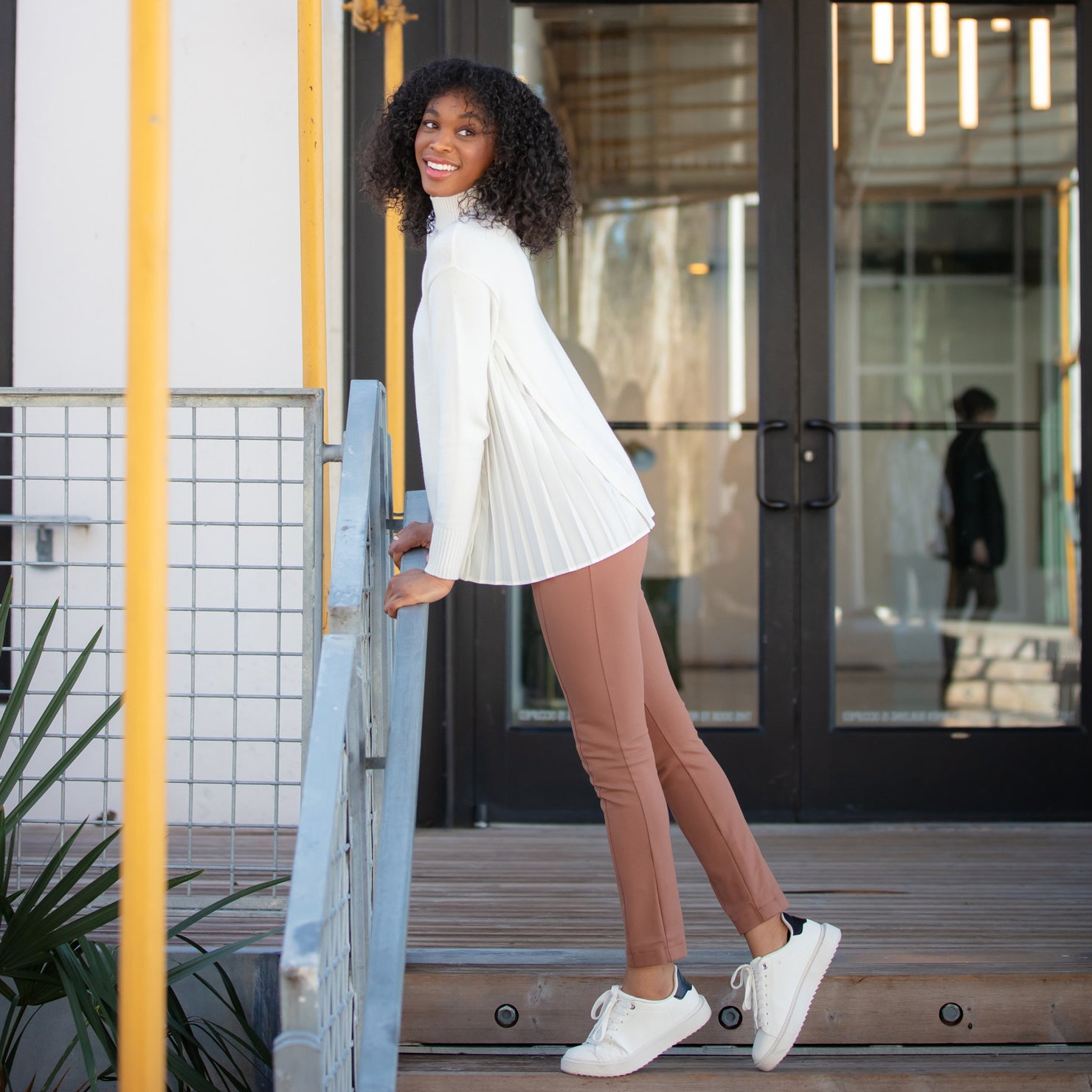
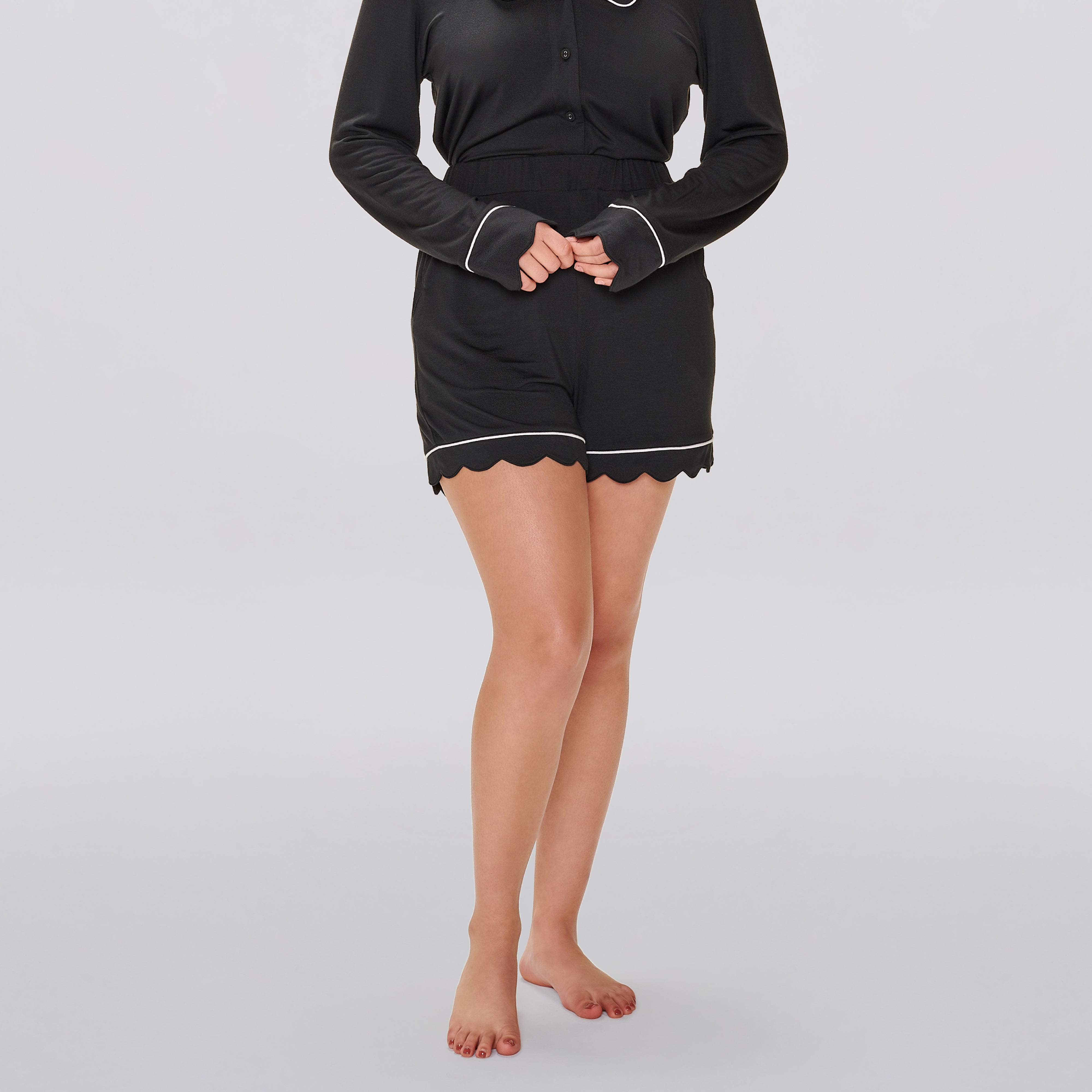
For offices where casual Friday is actually casual, a refined piece that crosses the register without looking like she forgot to change. A pull-on trouser in a polished fabric does this quietly and well: comfortable enough to feel like a day off, put-together enough to handle whatever actually comes up.
How to Build a Wardrobe That Works As Hard As You Do

The ultimate goal is a wardrobe that makes you feel capable and comfortable from the first meeting to the last errand. The kind where you get dressed in the morning and don’t think about your clothes again for the rest of the day.
That’s what Cotidié is built for. Machine washable, wrinkle-resistant, made to hold their shape through a full week. The pieces that earn their place in a smaller, smarter wardrobe are the ones that look polished and feel genuinely good. Fewer decisions. Less effort. More confidence.
Professional has always been about presence. The best work clothes are the ones you forget you’re wearing because they’re doing their job while you do yours.
Browse the full collection at cotidie.com. Follow @cotidieclothing on Instagram.